A Sense of Difference in Childhood
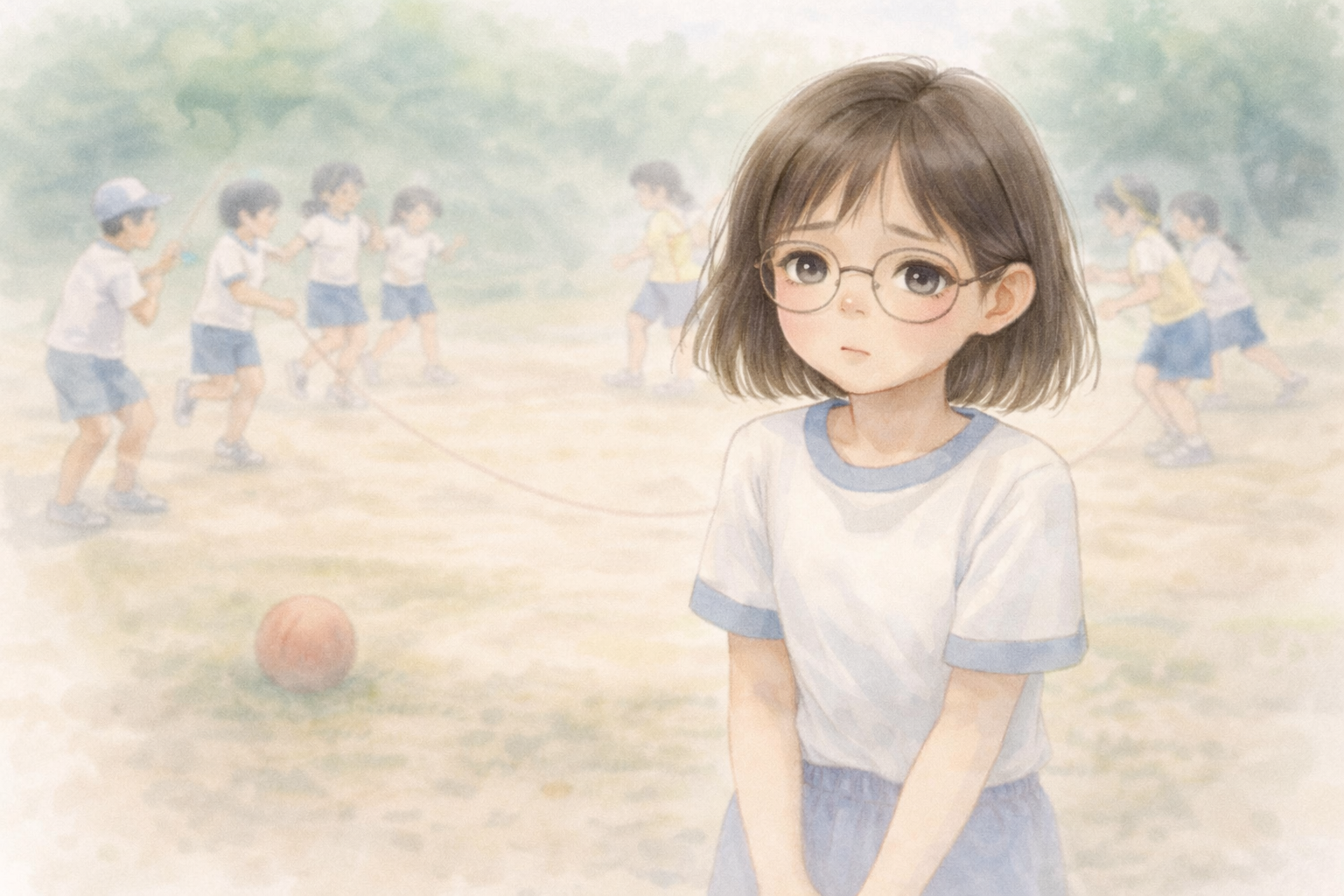
When I was in elementary school, I struggled with jump rope and ball games.
If I dropped something, it took me a long time to find it, and I often bumped into friends or objects without meaning to.
I remember wondering, “Why am I the only one who can’t do this well?”
Even as a child, I carried a quiet feeling that maybe I was somehow different from everyone else.
Being Diagnosed with Retinitis Pigmentosa
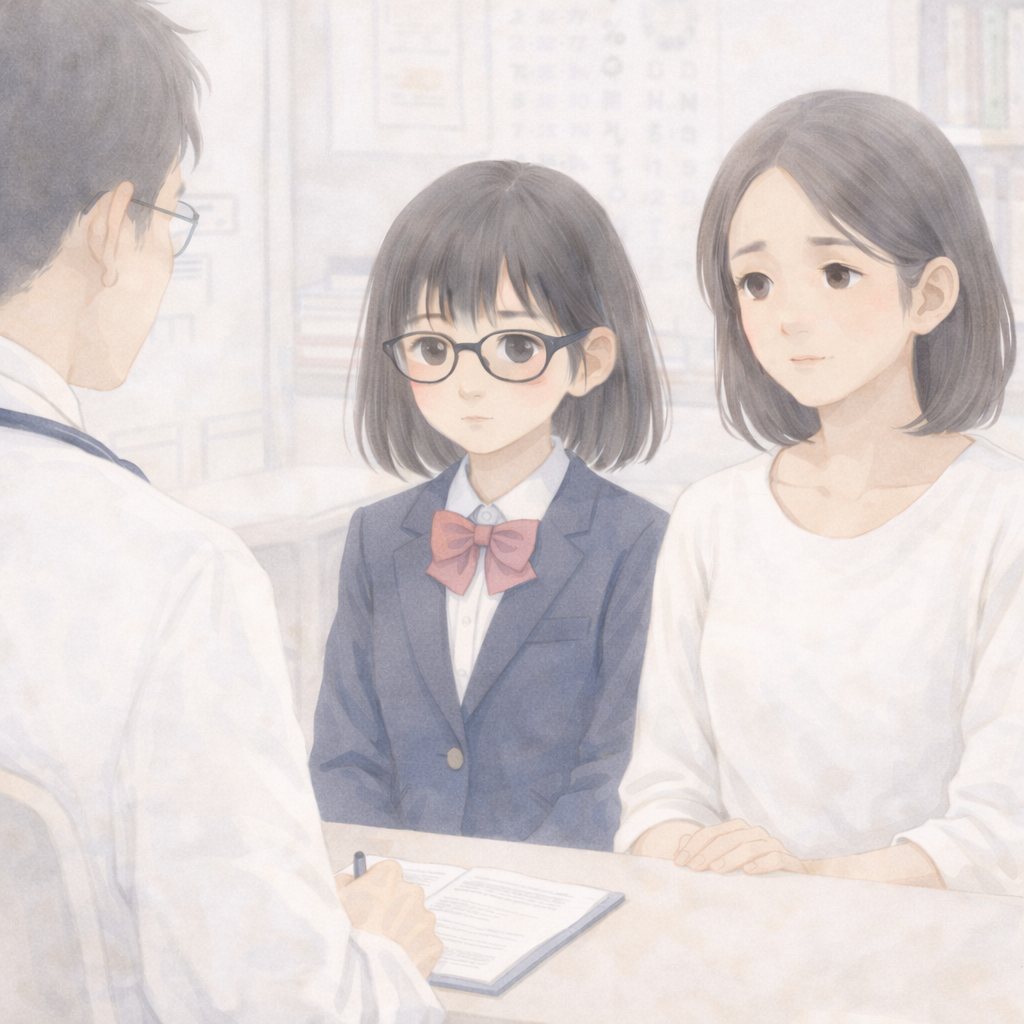
In the summer of my second year of high school, I was in a bicycle accident and crashed into a parked car.
That incident led me to visit a large hospital, where I was diagnosed with retinitis pigmentosa.
There is no cure, and it is a progressive condition that can cause night blindness, narrowing of the visual field, and gradual vision loss.
At that time, my vision felt as if I were looking through a tightly rolled sheet of paper.
When I heard the diagnosis, I was, of course, shocked.
But at the same time, I felt a small sense of relief — it meant I hadn’t simply been clumsy or incapable.
Knowing the reason allowed me to stand at the starting line of accepting myself.
Learning and Growing at a School for the Blind
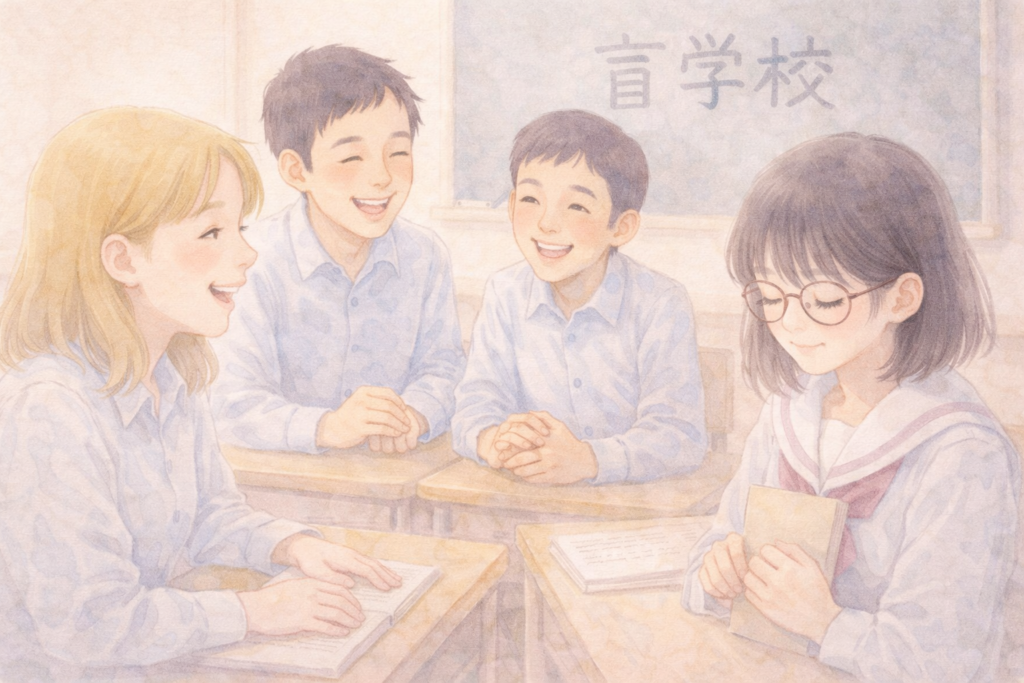
After that, I transferred to a school for the blind in my hometown.
There, I met classmates who were also living with visual impairments and moving forward in their own ways.
“I’m not the only one.”
Realizing that was an immense comfort.
Having poor eyesight was not everything I was.
It was only one part of me — one trait among many.
I was able to think that way because I found people who understood.
I earned certifications, lived on my own, and tried working.
Not everything went smoothly, but I learned that with creativity and adaptation, there were many things I could do.
Each experience slowly built my confidence.
I hope to share those individual stories more deeply in the future.
The Future I Wanted to Choose
As I worked as an adult, my vision continued to decline, and I also experienced sudden hearing loss. Eventually, I made the difficult decision to leave my job.
It was a time when my anxiety about the future grew once again.
During that period, I asked myself:
When I look back on my life years from now,
what choices will I want to have made?
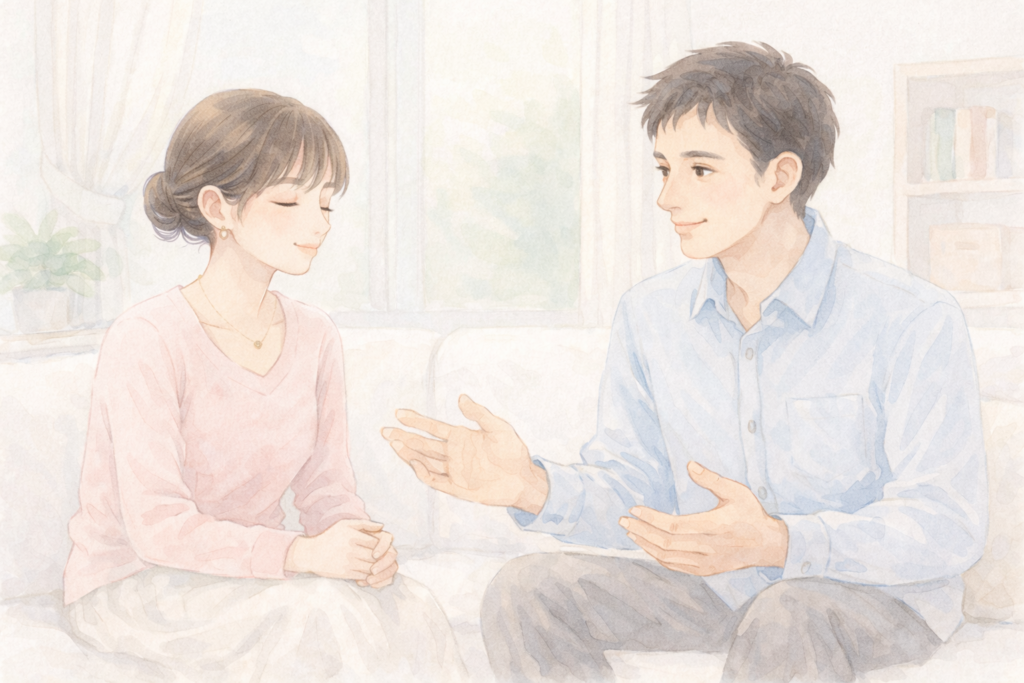
There were futures I had already given up on because of my visual impairment.
Paths I didn’t choose because I worried about burdening others.
The thought, “Would I just cause trouble?” crossed my mind many times.
But one feeling never left me.
Even after years of hesitation, the answer in my heart remained the same.
If I were to lose my life tomorrow,
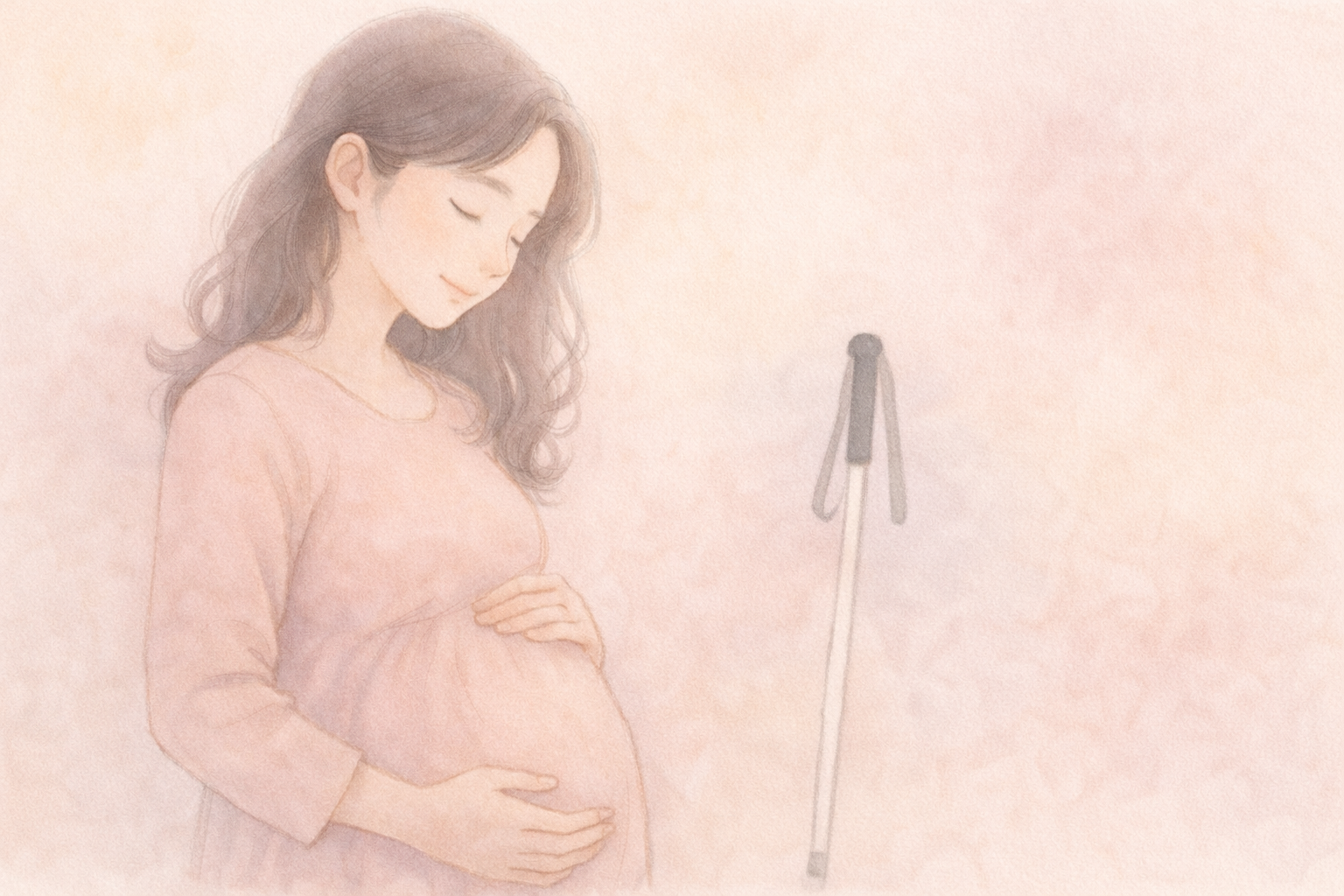
I know I would regret not becoming a mother.
Of course, I was afraid.
I live far from my parents, without family nearby to rely on.
I worried whether I could truly manage pregnancy, childbirth, and raising a child.
Still, I decided that instead of choosing “not to try because I’m scared,”
I wanted to honor the part of me that said, “I want to try.”
Wanting a child wasn’t something someone told me I should do.
It was the result of thinking deeply about how I wanted to live my life.
Living without sight does not mean living without choices.
I chose to believe that I still have the right to shape my own future.
Conclusion
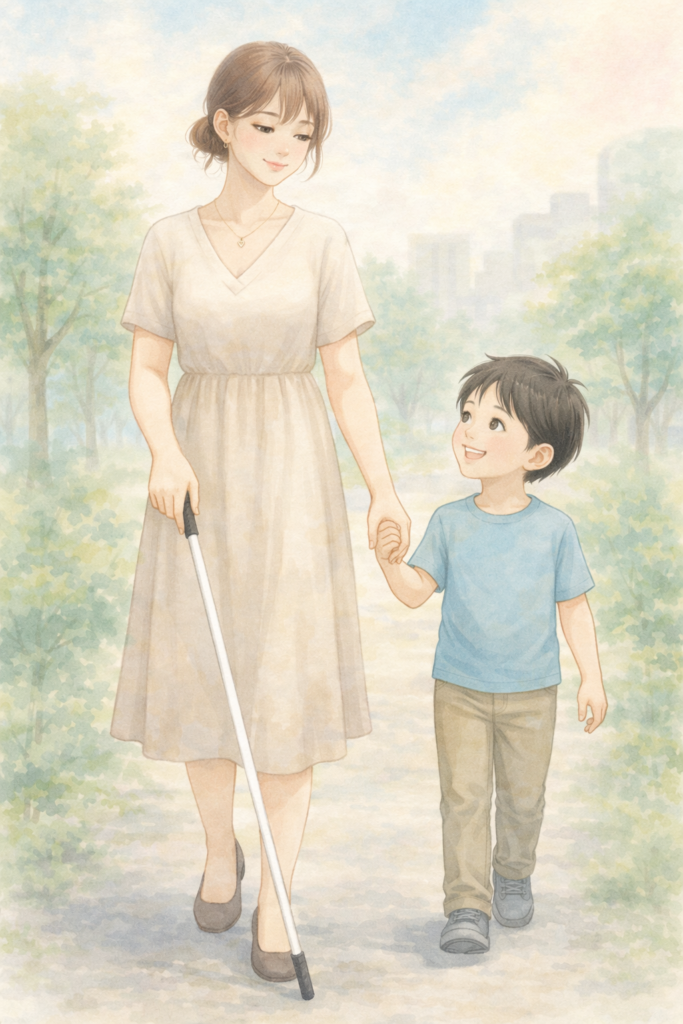
Living with retinitis pigmentosa has brought confusion, doubt, and many tears.
But because of those experiences, I came to feel that I wanted to choose my own path in life.
Even if I am completely blind, I want to become a mother.
It was not a dramatic declaration — it was simply a natural wish within me.
Being honest with that wish is, I believe, what it means for me to live authentically.
From here on, I will share my journey through trying to conceive, pregnancy, childbirth, and raising a child.
If my story can bring even a small sense of comfort to someone walking a similar path, I would be truly grateful.

コメント